
Decoding Prep School Hockey: A Hidden Pathway to College and Pro Scouting
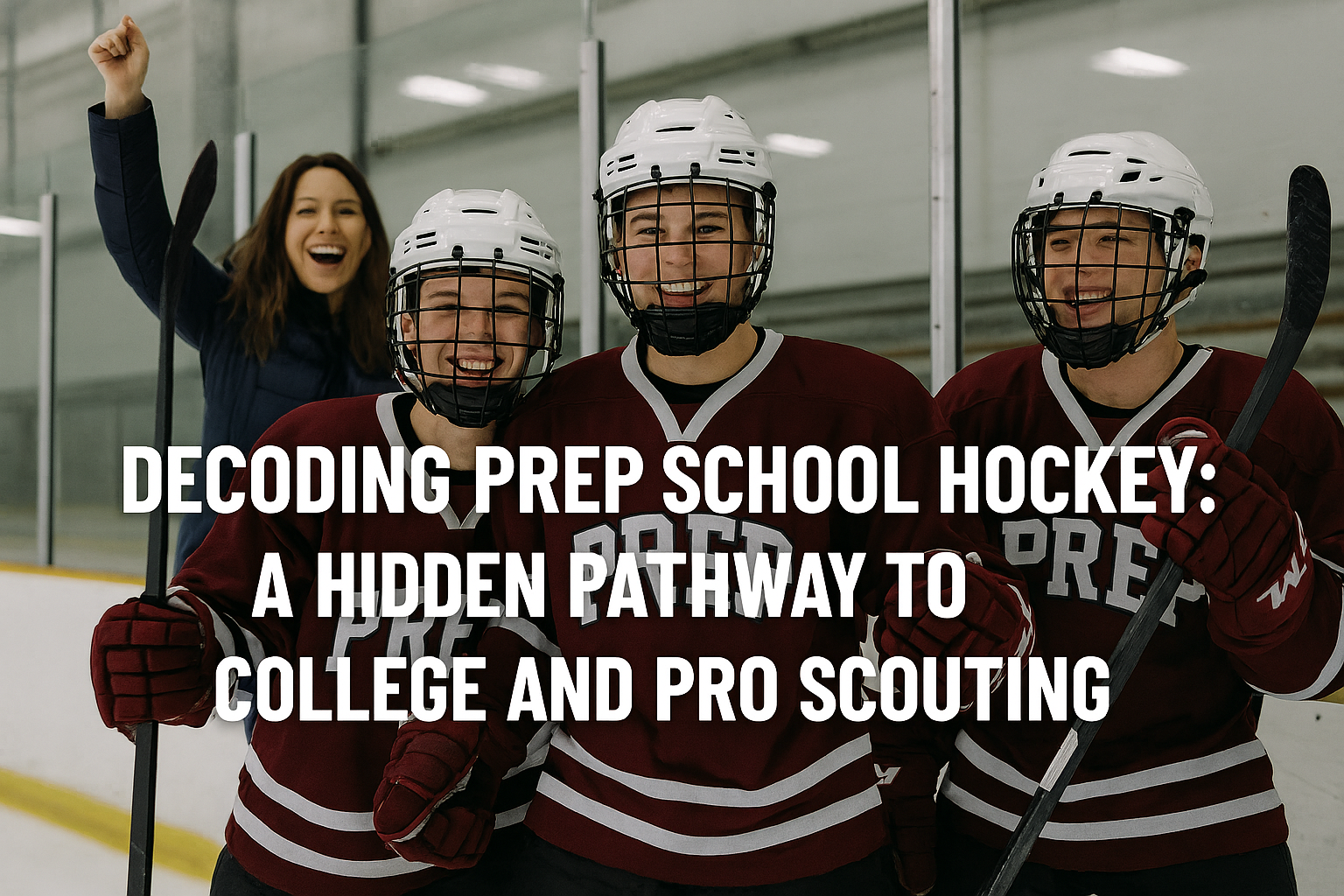
When parents and players think about the traditional routes to getting scouted in hockey, major junior leagues, AAA programs, and college hockey often dominate the conversation. But there’s one path that remains under-discussed and underutilized:prep school hockey . For families seeking a balance between elite competition and academic excellence, prep schools offer a unique blend of development, exposure, and opportunity. In this blog, we’ll explore what prep school hockey is, how it fits into the broader scouting landscape, and why it might be the right fit for your player’s journey.
What Is Prep School Hockey?
Prep school hockey refers to competitive hockey programs run by private boarding schools, primarily located in the Northeastern United States. These schools—like Shattuck-St. Mary’s (MN), Avon Old Farms (CT), and St. Sebastian’s (MA)—offer rigorous academics alongside high-level hockey. Players typically range from ages 14 to 18, and teams compete in well-established leagues such as the NEPSAC (New England Preparatory School Athletic Council).
Unlike public high school hockey, prep school programs often have access to better facilities, more ice time, and experienced coaching staffs. Many schools also have strong relationships with college programs and junior leagues, making them fertile ground for scouting.
Why Scouts Watch Prep School Hockey
Prep school hockey has become a legitimate scouting ground for NCAA Division I and III programs, as well as junior leagues like the USHL and NAHL. Here’s why:
- Consistency of Competition: Prep leagues offer a structured schedule with consistent competition against other elite programs. Scouts know they’re watching players who face strong opponents regularly.
- Academic Rigor: College programs value players who can handle both athletic and academic pressure. Prep schools demonstrate a player’s ability to thrive in both areas.
- Character and Maturity: Living away from home in a boarding environment fosters independence, discipline, and time management—traits scouts and coaches look for.
- Development Focus: With smaller class sizes and individualized attention, players often receive more targeted coaching and off-ice development.
How Prep School Hockey Fits Into the Scouting Ecosystem
Prep school hockey is often a stepping stone to higher levels of play. Here’s how it fits into the broader hockey landscape:
- To NCAA: Many prep players commit directly to NCAA programs, especially Division I schools. Coaches frequently attend prep tournaments and showcase events.
- To Junior Leagues: Players may transition from prep school to junior leagues like the USHL, BCHL, or NAHL to gain additional exposure and experience before college.
- To Professional Hockey: While less common, some prep players have gone directly to pro leagues or been drafted into the NHL. Jonathan Toews and Sidney Crosby both played prep hockey at Shattuck-St. Mary’s before turning pro.
Is Prep School Right for Your Player?
Choosing prep school is a major decision, and it’s not for everyone. Here are some factors to consider:
- Academic Goals: If your player values education and wants to attend a top-tier university, prep school can be a strong fit.
- Financial Commitment: Prep schools can be expensive, though many offer scholarships or financial aid. Be sure to research each school’s offerings.
- Readiness for Independence: Boarding school life requires maturity and self-discipline. Consider whether your player is ready for that environment.
- Long-Term Hockey Goals: If your player is aiming for NCAA hockey or wants a well-rounded development path, prep school can be a strategic move.
Tips for Navigating the Prep School Process
Here’s how players and parents can approach the prep school journey:
- Start Early: Begin researching schools by Grade 8 or 9. Admissions and hockey recruitment often happen a year in advance.
- Attend Showcases: Events like the Beantown Classic or NEPSAC Showcase are great places to get noticed by prep coaches.
- Reach Out: Don’t wait for coaches to find you. Send emails with highlight reels, academic transcripts, and a personal note expressing interest.
- Visit Schools: Touring campuses and meeting coaches can help you assess fit and culture.
- Balance Academics and Hockey: Prep schools expect strong academic performance. Make sure your player is prepared to succeed in both areas.
Success Stories: Prep School Alumni in the Pros
Prep school hockey has produced some of the NHL’s brightest stars. Here are a few notable alumni:
- Jonathan Toews: Shattuck-St. Mary’s → University of North Dakota → NHL (Chicago Blackhawks)
- Zach Parise: Shattuck-St. Mary’s → University of North Dakota → NHL (Minnesota Wild)
- Chris Kreider: Phillips Andover Academy → Boston College → NHL (New York Rangers)
- Noah Hanifin: St. Sebastian’s → USNTDP → Boston College → NHL (Calgary Flames)
Final Thoughts
Prep school hockey may not be the most obvious path, but it’s one that offers tremendous value for players who want to combine elite hockey with academic excellence. For families willing to explore beyond the traditional routes, prep schools can open doors to college scholarships, junior opportunities, and even professional careers.
As scouting continues to evolve, so too do the pathways to success. Prep school hockey is no longer a hidden gem—it’s a proven launchpad for players who want to stand out both on and off the ice.
Interested in learning more about prep school hockey programs? Reach out to admissions offices, attend showcases, and start building your player’s roadmap today.