
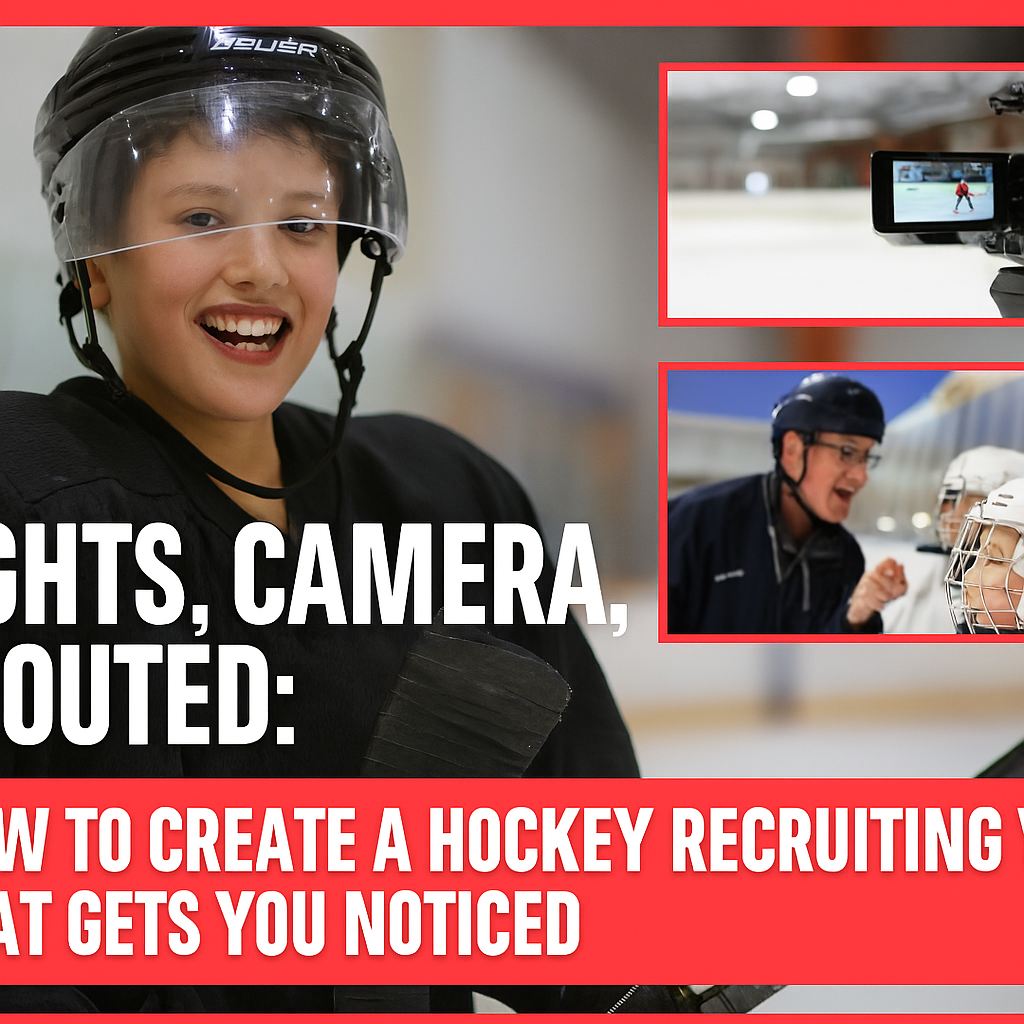
Lights, Camera, Scouted: How to Create a Hockey Recruiting Video That Gets You Noticed
By: 1Rink Editor
In today’s digital-first scouting landscape, a well-crafted recruiting video can be the difference between being overlooked and being offered a spot on a top-tier team. Whether you're aiming for NCAA, CHL, USHL, or Junior A, your video is often the first impression scouts get—and it needs to be unforgettable for all the right reasons.
This guide is designed for players and parents navigating the hockey recruiting process. We’ll break down what makes a standout video, what scouts are actually looking for, and how to avoid common pitfalls. With the CHL now eligible for NCAA participation starting in 2025, the recruiting ecosystem is more dynamic than ever, and your video needs to reflect that.
🎥 Why Recruiting Videos Matter More Than Ever
Scouts are inundated with profiles, stats, and game footage. A concise, high-quality recruiting video helps them quickly assess your potential. According toNCAA recruiting guidelines , video submissions are a common and accepted part of the evaluation process, especially for players outside major scouting hubs.
With platforms like RinkNet being the go-to software for scouts across North America, your video may be uploaded and viewed alongside hundreds of others. That means clarity, relevance, and professionalism are key.
📋 What to Include in Your Recruiting Video
Here’s a breakdown of the essential elements scouts want to see:
- Intro Slide (10–15 seconds): Include your name, position, height/weight, birth year, current team and league, contact info, and a link to your 1Rink profile if available.
- Game Footage (2–3 minutes): Use clips from recent games that showcase your strengths. Focus on plays where you demonstrate hockey IQ, positioning, puck handling, and decision-making. Avoid highlight-only reels—scouts want to see how you play shift-to-shift.
- Skills Segment (1–2 minutes): Include drills that show skating mechanics, edge control, shooting accuracy, and agility. This is especially useful for goalies and defensemen.
- Off-Ice Training (Optional): A short clip of your off-ice regimen can demonstrate commitment and athleticism, but keep it brief and relevant.
🔍 What Scouts Are Really Looking For
According to former NHL scout and current advisor Mark Seidel, “Scouts want to see how a player thinks the game, not just how fast they skate or how hard they shoot.” That means your video should highlight:
- Situational Awareness: Show how you react under pressure, make decisions in transition, and support teammates.
- Consistency: Include clips from multiple games to show that your performance isn’t a one-off.
- Character: If possible, include footage that shows leadership—bench interactions, communication on the ice, or hustle plays.
⚠️ Common Mistakes to Avoid
Even talented players can sabotage their chances with poorly executed videos. Here are some pitfalls to steer clear of:
- Over-editing: Flashy transitions and music distract from your play. Keep it clean and professional.
- Low-quality footage: Blurry or shaky video makes it hard to evaluate your skills. Use a tripod and HD camera when possible.
- Too long: Scouts don’t have time to watch 10-minute reels. Keep it under 5 minutes unless specifically requested.
- No context: Always include your jersey number and team name in the video or description so scouts can identify you.
🧭 Where to Host and Share Your Video
Once your video is ready, upload it to a reliable platform like YouTube or Vimeo with a clear title and description. Include your 1Rink profile link in the description to give scouts access to your stats, schedule, and contact info. Avoid sending large video files directly—most scouts prefer streaming links they can view on RinkNet or other scouting platforms.
📈 Bonus Tips for Maximizing Exposure
- Update Regularly: Refresh your video every 6–12 months to reflect your current level of play.
- Tailor for Audience: If you're targeting NCAA programs, include clips that show two-way play and discipline. For CHL or USHL, emphasize physicality and pace.
- Use Social Media Wisely: Share your video on platforms like Instagram or X (formerly Twitter), tagging relevant teams or leagues. Just keep it professional—your online presence matters.
📚 Sources and Further Reading
- NCAA Recruiting Guidelines
- Hockey Canada: CHL Players Eligible for NCAA Starting in 2025
- RinkNet Scouting Software Overview
🏁 Final Thoughts
Creating a recruiting video isn’t just about showing off—it’s about showing scouts who you are as a player and teammate. Done right, it can open doors to leagues and programs you never thought possible. With the evolving eligibility rules and increased competition, now is the time to take control of your scouting journey.
Need help building your profile or connecting with scouts? While this isn’t a sales pitch, platforms like 1Rink can help centralize your information and make it easier for scouts using RinkNet to find you. Just make sure your video does the talking.
Good luck—and don’t forget to hit record.